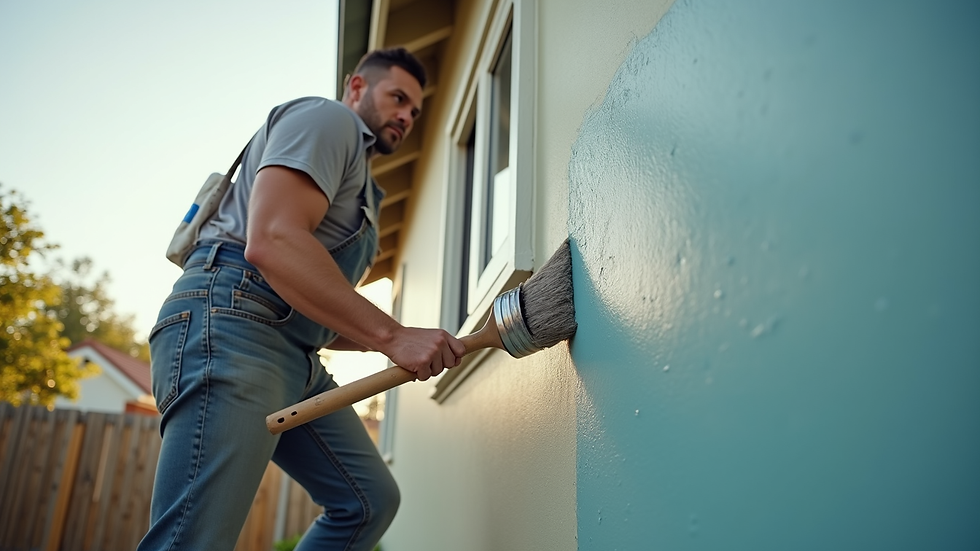
Mastering Interior Wall Painting Techniques for Residential Painting Solutions
- Mar 30
- 4 min read
Painting interior walls is one of the most effective ways to refresh and personalize your living or working space. Whether you want to brighten up a room, create a cozy atmosphere, or simply cover up old marks, mastering the right painting techniques can make all the difference. In this post, I’ll walk you through practical steps and expert advice to help you achieve professional-looking results. Let’s dive into the world of residential painting solutions and transform your walls with confidence.
Preparing Your Walls for Residential Painting Solutions
Before you even open a can of paint, preparation is key. Proper preparation ensures your paint adheres well and lasts longer. Here’s how I approach it:
Clean the walls thoroughly: Dust, dirt, and grease can prevent paint from sticking. Use a mild detergent and water to wipe down the surfaces. For kitchens or bathrooms, a degreaser might be necessary.
Repair any damage: Fill holes, cracks, and dents with spackle or joint compound. Once dry, sand the patches smooth so they blend seamlessly with the wall.
Remove loose paint: Scrape off any peeling or flaking paint to avoid uneven texture.
Protect your space: Use painter’s tape to cover trim, windows, and outlets. Lay down drop cloths to catch drips and spills.
Taking these steps might seem time-consuming, but they set the foundation for a flawless finish. Skipping preparation often leads to frustration and extra work down the line.

Essential Tools and Materials for Interior Wall Painting
Having the right tools makes painting easier and more enjoyable. Here’s what I recommend for residential painting solutions:
Quality brushes and rollers: Use angled brushes for cutting in around edges and corners. Choose rollers with the right nap length depending on your wall texture (short nap for smooth walls, longer nap for textured surfaces).
Paint tray and liners: These help you load your roller evenly and keep cleanup simple.
Extension pole: This saves your arms when painting ceilings or high walls.
Primer: Priming is crucial, especially on new drywall or stained walls. It improves paint adhesion and color vibrancy.
Paint: Select a high-quality interior paint with the finish that suits your room’s function (e.g., satin or semi-gloss for kitchens and bathrooms, matte for living rooms).
Using the right materials not only improves the look but also the durability of your paint job.
What Not to Do When Painting a Wall?
Knowing what to avoid is just as important as knowing what to do. Here are some common mistakes I’ve seen and how to steer clear of them:
Don’t skip priming: Painting directly over bare drywall or stained surfaces can cause uneven color and peeling.
Avoid painting in extreme temperatures: Paint dries too fast in hot weather and too slow in cold, affecting the finish.
Don’t overload your brush or roller: Too much paint causes drips and uneven coverage.
Avoid rushing between coats: Let each coat dry fully before applying the next to prevent peeling or bubbling.
Don’t neglect ventilation: Proper airflow helps paint dry evenly and reduces fumes.
By steering clear of these pitfalls, you’ll save time and achieve a smoother, longer-lasting finish.

Techniques for a Smooth and Professional Finish
Now that you’re prepared and equipped, let’s talk about painting techniques that make your walls look professionally done:
Cutting in: Start by painting a 2-3 inch border around the edges of the wall with a brush. This includes corners, baseboards, and around windows or doors. It creates a clean frame for the roller.
Rolling the walls: Use a roller to cover the large areas. Apply paint in a “W” or “M” pattern, then fill in the gaps without lifting the roller. This technique helps distribute paint evenly.
Maintain a wet edge: Always paint from a wet edge to avoid lap marks. Work in small sections and blend each new section into the previous one while the paint is still wet.
Apply multiple thin coats: Thin coats dry faster and look smoother than one thick coat. Usually, two coats are enough for full coverage.
Feather out edges: Lightly roll over the edges of painted sections to blend them seamlessly.
These steps might take a bit more time, but the results are worth it. You’ll get a smooth, even finish that looks like it was done by a pro.
Choosing the Right Colors and Finishes for Your Space
Color and finish can dramatically change the feel of a room. Here are some tips to help you choose wisely:
Consider lighting: Natural and artificial light affect how colors appear. Test paint samples on your walls and observe them at different times of day.
Match finish to function: High-traffic areas like hallways and kitchens benefit from washable finishes like satin or semi-gloss. Bedrooms and living rooms often look best with matte or eggshell finishes for a softer look.
Use color psychology: Warm colors like reds and yellows create energy, while cool colors like blues and greens promote calm.
Coordinate with decor: Choose colors that complement your furniture, flooring, and accessories.
If you want to learn more about how to pick and apply paint effectively, check out these interior wall painting tips for additional guidance.
Final Touches and Maintenance for Long-Lasting Walls
Once your walls are painted, a few finishing touches can enhance the look and keep your paint job lasting longer:
Remove painter’s tape carefully: Pull tape off at a 45-degree angle while the paint is still slightly tacky to avoid peeling.
Clean up spills immediately: Use a damp cloth to wipe off any drips or splatters before they dry.
Touch up as needed: Keep some leftover paint for future touch-ups to cover scuffs or marks.
Regular cleaning: Dust and gently wash walls with a soft sponge and mild soap to maintain their appearance.
By following these steps, your freshly painted walls will stay vibrant and beautiful for years to come.
Mastering interior wall painting techniques is a rewarding skill that can transform any space. With the right preparation, tools, and methods, you can achieve stunning results that reflect your style and care. Whether you’re tackling a single room or an entire home, these residential painting solutions will help you paint with confidence and pride. Happy painting!